Painting in Menifee and nearby towns
Painting Contractor in Menifee Ca
Tell us about your project and we connect you with an independent local painter who gives the estimate and does the work.
Finding a reliable painter in your own area should not be the hard part. Send your project once and we match it to an independent contractor who already works in Menifee and the towns around it.
Here is the part worth being clear about, because it shapes everything else on this site. Painting Contractors Menifee does not do the painting itself. We are the service that takes your request. When you reach out, we pass the details to an independent local contractor, and that contractor is the one who contacts you, looks at the job, gives you the estimate, and does the work. We do not send out a crew of our own, because we do not have one. What we do is save you the part most people dislike: sorting through listings, leaving messages that never get returned, and trying to guess who actually covers your town. You describe the project once. From there, a painter who already works in this corner of Riverside County picks it up and takes it forward. If the fit is not right, nothing is lost and you are free to decline. The goal is simple. Get your request in front of someone who can actually help, and let the person doing the work speak to you directly about your home or building. Being a connection point rather than the painter is also why we can focus so tightly on this one area. We are not trying to keep a crew busy or push a particular schedule. We are trying to match each request with the right local contractor for the job, whether that is cabinets in a Menifee kitchen or a faded two-story exterior out toward Murrieta. You stay in control the whole way. You send what you have, you get an estimate from the person who will actually do the work, and you decide from there.
More about us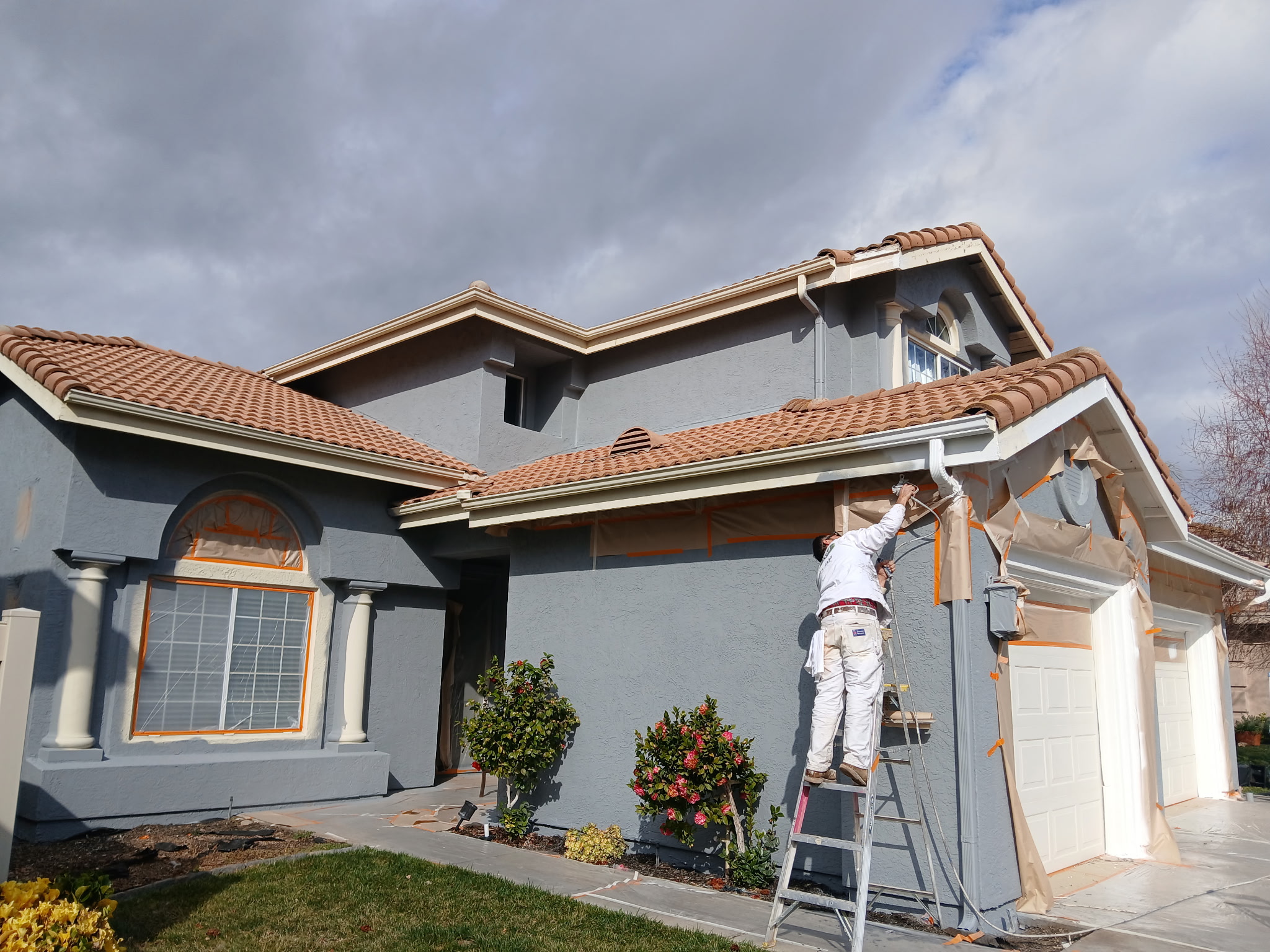
Most painting jobs fall into a handful of familiar categories, and the contractor you are matched with can handle the full range. Whether you want one room refreshed, a whole house repainted outside, cabinets brought back to life, a fence and deck protected before another hot summer, or a storefront that looks sharp to customers, you can start the same way. Pick the service closest to what you need and send the details.
How a painting job goes from request to finished coat, and what moves the cost.
Learn more →Walls, ceilings, trim, and whole-home repaints inside your house.
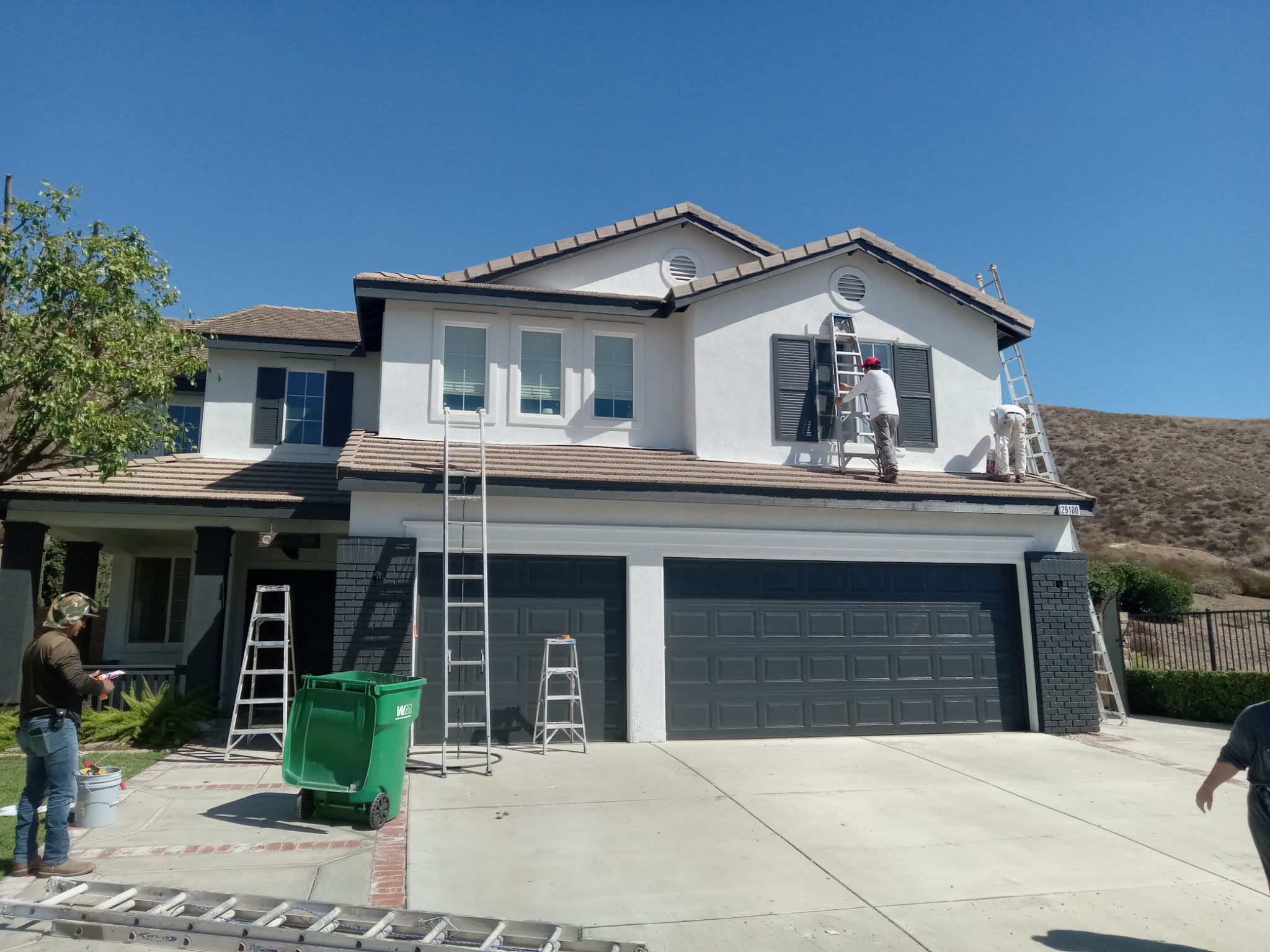
Learn more →Stucco, wood, and trim finished to stand up to the inland sun.
Learn more →A smooth, durable finish that refreshes kitchen and bath cabinets.
Learn more →Storefronts, offices, and more, scheduled around your hours.
Learn more →Paint and stain that protect wood from sun, dryness, and wear.
Learn more →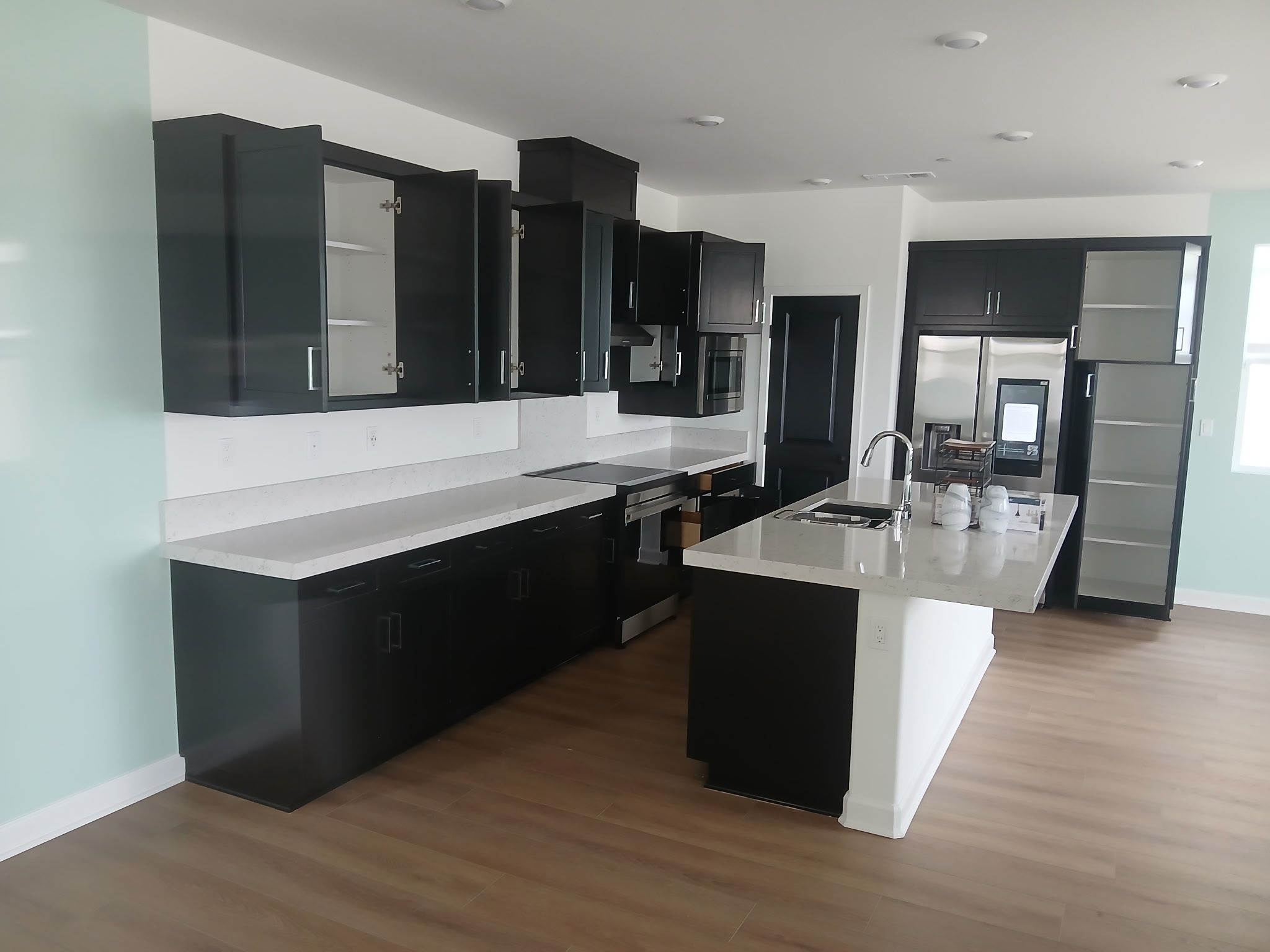
We pass your request to an independent contractor who already covers your town, so you skip the cold search.
The painters we connect you with work in the inland sun year round and plan the job around it.
The contractor looks at the job and gives you a written estimate. You decide from there, with no obligation.
We are the service that takes your request, not the crew. The independent contractor gives the estimate and does the work.
A good paint job is mostly what happens before the color goes on. When the contractor picks up your request, the first real step is a look at the surface. Old paint that is peeling, chalking, or cracking has to be dealt with, not covered, because a fresh coat over a failing one simply fails again. On a home, that can mean scraping loose areas, sanding rough edges, filling cracks and nail holes, caulking gaps around trim and windows, and spot-priming bare spots so the finish coats bond evenly. Surfaces usually need a wash too, since dust, pollen, and grime keep paint from sticking. Only after prep is the actual painting straightforward. Walls and large exterior areas often go faster with a sprayer that is then back-rolled, while trim, doors, and detail work are brushed by hand for a clean line. Most jobs take two coats to look even and last, and drying time between coats matters more on hot, dry days than people expect. At the end, a careful painter cleans up, pulls masking, and walks the work with you to catch anything that needs a touch-up. The reason this process is worth understanding is that it tells you what you are paying for. The price of a paint job is rarely about the paint. It is about the hours of preparation and the care taken on the parts you do not see once the room or the wall is finished. When you talk to the contractor who takes your request, asking how they handle prep is one of the most useful questions you can ask, because that is where lasting results come from. It also helps to know that a painter cannot always see every issue from the ground. Once the washing and scraping begin, a wall sometimes reveals cracked stucco, soft wood, or old damage that was hidden under a tired coat, and a good contractor flags that and explains it rather than painting over it. Understanding the process this way makes those conversations easier, because you already know why the repair matters and why skipping it would only mean doing the whole job again sooner than you should have to.
Paint does more than make a place look good. It is the layer that protects wood, stucco, and metal from sun and moisture, and when it starts to fail it stops doing that job. Outside, the clearest warning is chalking, a powdery film that rubs off on your hand when you touch the wall. That means the surface has broken down under the sun and is no longer shedding water the way it should. Fading is another sign, especially on the south and west faces that take the hardest light. Peeling, blistering, and cracking all point to paint that has lost its grip, and bare wood showing through is an open invitation for rot. Around windows and trim, gaps where the caulk has pulled away let water in behind the surface, which is a problem long before it looks like one. Inside, the signs are quieter. Scuffs and marks that no longer wipe clean, a color that has yellowed or dulled, hairline cracks along seams, and stains from past leaks are all cues that a room is due. Bathrooms and kitchens show their age fastest because of moisture and cooking residue. Cabinets tell their own story, with worn edges near the handles and a finish that has gone sticky or uneven. None of these mean you are in trouble today, but they are the point where repainting protects what you have instead of just refreshing it. There is a real cost to waiting too long. Once bare wood is exposed to the weather, the problem stops being paint and starts being repair, and repairs cost more than a timely coat ever would. Catching the warning signs while the surface is still sound is the cheapest way to keep a home or building in good shape, which is why it pays to look closely at the sun-facing walls, the trim, and the busy rooms now and then rather than only noticing once something has clearly failed. If you are seeing several of these signs at once, it is a reasonable time to send your project over and have a contractor take a look.
People often want a single number before they have shared a single detail, and the honest answer is that the details are the number. The biggest driver is the amount of surface and how it is reached. A one-story room is quick. A two-story entry with a tall stairwell, or an exterior with steep roof lines and second-story walls, takes more setup, more ladders or scaffolding, and more time, which is where much of the cost lives. The condition of what is being painted matters just as much. A wall in good shape needs a wash and two coats. A wall with peeling paint, water damage, cracked stucco, or bare wood needs real repair first, and that preparation is often the largest share of the labor. The kind of surface changes things too, since smooth drywall, textured stucco, rough wood, and slick cabinet doors each take different products and different methods. A big color change, such as going from a dark shade to a light one, can add a coat. Trim, doors, shutters, and railings are detail work that adds up. The quality of the paint and primer plays a part, because products built to hold up under strong sun cost more but last longer, which usually saves money over the years. None of this is meant to be discouraging. It is meant to explain why a careful contractor wants to see the job before quoting it. When you send your request, the more you can say about the size, the surfaces, and the condition, the closer the estimate will be to reality. It is also worth thinking about cost over time rather than only the figure on the day. A finish that is prepped properly and painted with a product built for strong sun may cost a little more at the outset, but it holds its color and seal for years longer, which means fewer repaints across the life of the home. The cheapest quote and the best value are not always the same thing, and a contractor who explains where your money is going is giving you the information you need to tell them apart.
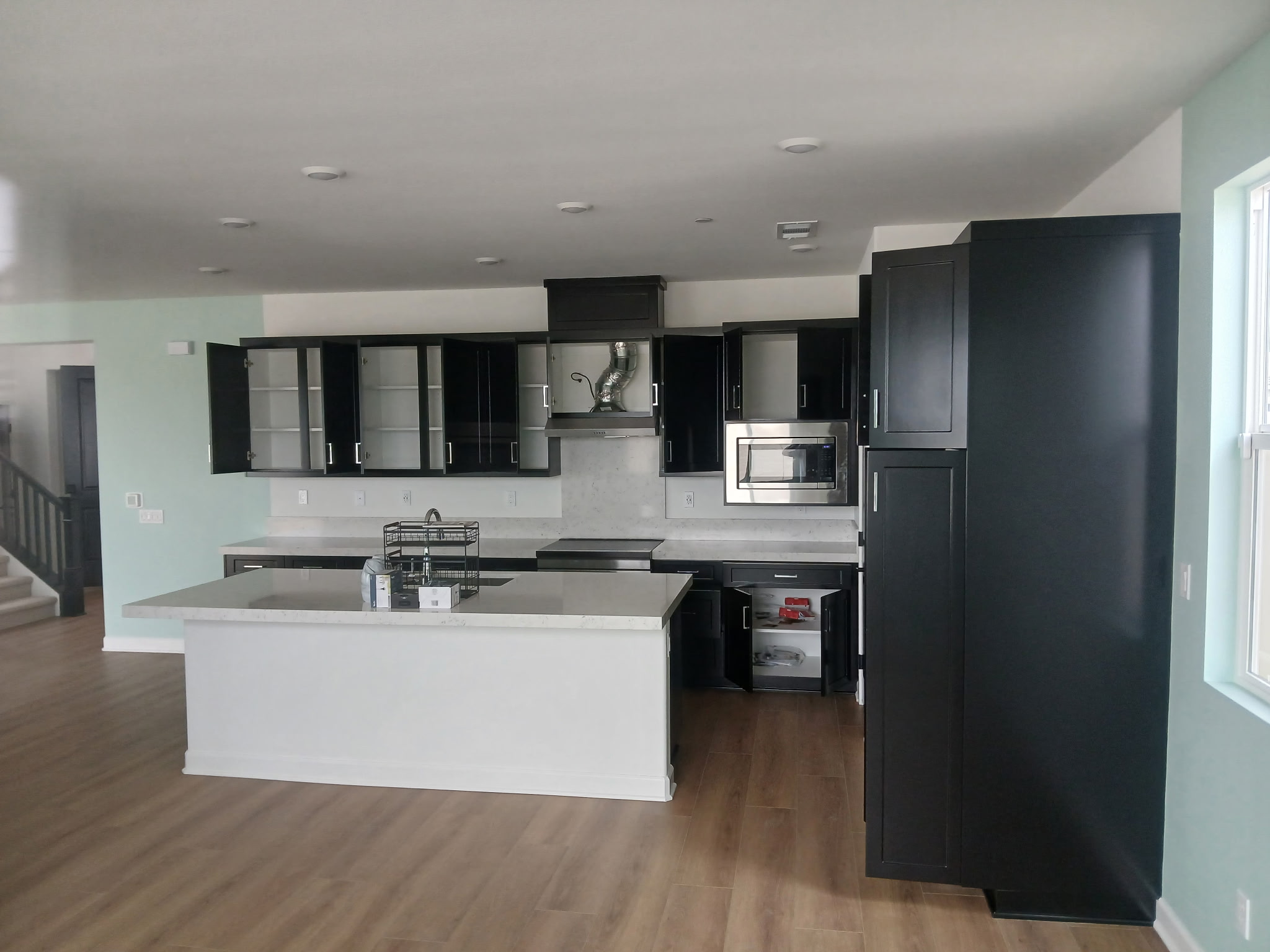
This part of inland Riverside County is not an easy place for paint, and it helps to know why before you repaint. Summers are long, hot, and dry, and the sun here is intense for months at a stretch. Ultraviolet light is what breaks a finish down over time, and south-facing and west-facing walls take the worst of it, which is why one side of a house often looks years older than the rest. Heat also affects the work itself. Paint applied to a wall that is baking in direct sun can dry too fast, skin over before it levels, and bond poorly, so timing matters and a knowledgeable painter follows the shade around the building through the day. Seasonal winds are the other factor. Dry gusts carry dust and grit that settle onto fresh paint and shorten the window for clean application, and they speed drying in ways that have to be managed. Winters are mild but bring the year's rain, so moisture trapped in wood or stucco that was not allowed to dry can cause trouble under a new coat. All of this points to the same conclusion. Products and methods that work fine in a gentler climate do not always hold up here, and prep, primer, and the grade of paint are not places to cut corners. The contractors matched through this service work in these conditions year round and plan the job around them, from when a wall gets painted to which products stand up to the local sun.
Choosing who paints your home or business comes down to a few honest questions and paying attention to the answers. Start with the estimate. A trustworthy painter wants to see the job before quoting it, asks about the surfaces and their condition, and gives you a clear written scope rather than a vague figure over the phone. Ask what the preparation includes, because prep is where lasting work is won or lost. If someone talks only about how fast they can paint and nothing about washing, scraping, sanding, caulking, and priming, that tells you something. Ask what products they plan to use and why, since paint built for strong sun behaves differently from a bargain can. Ask how many coats are included, how they protect your floors, furniture, landscaping, and fixtures, and roughly how long the job will take. Communication is its own signal. Someone who returns your message, shows up when they said they would, and explains things plainly is likely to run the job the same way. It is also fair to ask about cleanup and what happens if you spot something that needs a touch-up after the work is done. You do not need to become an expert to tell a careful contractor from a careless one. You need to ask what the work involves and listen for answers that are specific. When you send your project through this service, you are matched with a local painter, and these are exactly the questions worth asking when they reach out.
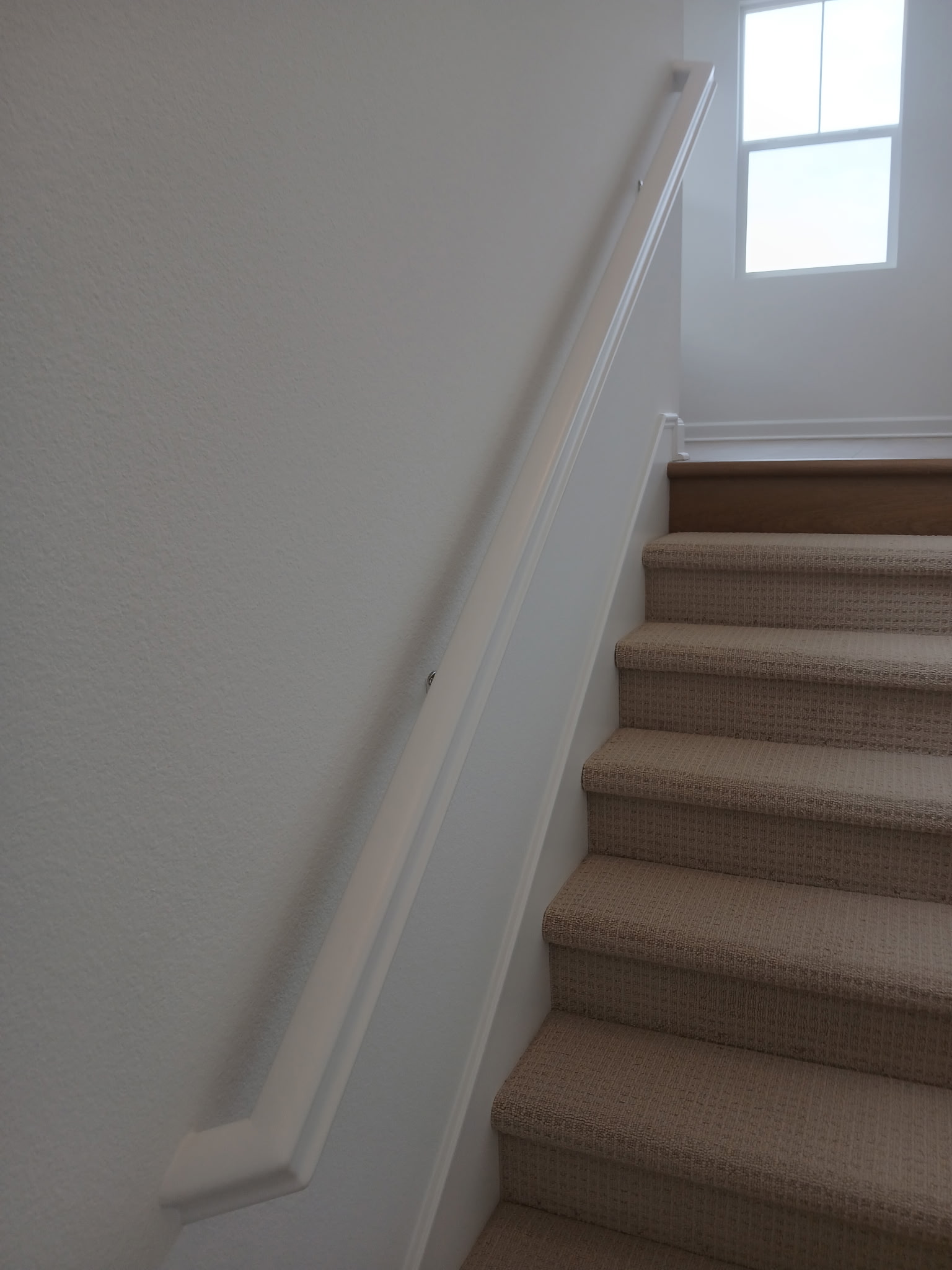
Color looks different here than it does on a paint chip in a store, and that surprises a lot of people after the first coat goes on. The intense inland light floods rooms and washes across exteriors in a way that lifts and brightens almost any shade, so a color that felt safe on a small sample can read far lighter and more washed out on a whole wall under the afternoon sun. This is why testing matters. Painting a sample patch and living with it for a day, watching it in morning light and again in the strong light of late afternoon, tells you far more than a chip ever will, because the same color shifts noticeably as the light changes through the day. Outside, lighter and mid-tone colors tend to behave well in this climate, both because they reflect heat rather than soaking it up and because they hide the slow, even fading that strong sun causes better than a deep, saturated shade does. Dark colors can look striking, but they show fading and chalking sooner on the sun-struck faces of a building, so they ask for more upkeep over time. Inside, the same abundant natural light means rooms can carry softer, cooler tones without feeling dim, while north-facing rooms that get less direct sun often want a slightly warmer shade to feel balanced. Sheen is part of the decision too, since flatter finishes hide wall imperfections while higher sheens wipe clean more easily and suit kitchens, baths, trim, and doors. None of this has to be guesswork. The contractor matched to your request can talk through how a color will actually sit on your walls in this light, suggest finishes for each room or surface, and help you avoid the common letdown of a shade that looked right on paper and wrong on the house. A little planning here saves the disappointment of a color you stop liking the moment the sun hits it.
Painting Contractors Menifee does not do the painting contractor work itself. When you call or send the form, we pass your request to an independent local contractor who covers your part of Menifee. That contractor contacts you, gives you the estimate and does the work.
See what happens after you callSend your project and we connect you with a local painter.
Free. No obligations.